Dental problems are not always simple. A small cavity may need a filling, but severe damage requires more complex care. Major restorative dental treatment focuses on repairing or replacing teeth that are badly decayed, broken, infected, or missing. These treatments restore strength, function, and appearance.
If you are searching for a restorative dentist in Franklin, it helps to understand what qualifies as “major” treatment and why it matters.
What Is Restorative Dentistry?
Restorative dentistry is the branch of dental care that repairs damaged teeth and replaces missing ones. It improves chewing, speech, comfort, and oral health.
Minor procedures include small fillings or bonding. Major restorative treatment, however, involves more extensive repair. It often requires multiple visits, advanced materials, or specialized techniques.
A qualified restorative dentist in Franklin evaluates the health of your teeth, gums, and bite before recommending any treatment.
What Makes a Treatment “Major”?
A dental procedure is considered major when it:
Involves significant tooth structure loss
Requires lab-fabricated restorations
Addresses deep infection or trauma
Replaces one or more missing teeth
Restores function across multiple teeth
Major restorative treatment focuses on long-term durability. It is not only about appearance. It protects the jaw, supports the bite, and prevents further damage.
Dental Crowns
A dental crown is a custom-made cap placed over a damaged tooth. It restores strength, shape, and size.
Crowns are often recommended when:
A tooth has a large filling
A tooth is cracked or fractured
After root canal therapy
Severe decay has weakened the tooth
Crowns are made from porcelain, ceramic, metal, or a combination. A skilled restorative dentist in Franklin carefully shapes the tooth and ensures the crown fits naturally with your bite.
Crowns are considered a major treatment because they require significant preparation and laboratory fabrication.
Dental Bridges
A dental bridge replaces one or more missing teeth. It is anchored to neighboring teeth or implants.
When teeth are missing, nearby teeth can shift. This leads to bite problems and jaw strain. Bridges help prevent that movement.
The procedure involves reshaping the supporting teeth and placing custom crowns that hold the artificial tooth in place. Because of the complexity and permanent alteration of surrounding teeth, bridges fall under major restorative procedures.
Patients often consult a restorative dentist to determine whether a bridge or an implant is the better option.
Dental Implants
Dental implants are one of the most advanced forms of tooth replacement. A titanium post is placed into the jawbone to act as a root. A crown is then attached to restore the visible part of the tooth.
Implants are classified as a major restorative treatment because:
They require surgery
Healing takes several months
Bone integration must occur
Precise planning is necessary
Implants preserve bone and offer long-term stability. A knowledgeable restorative dentist in Franklin evaluates bone density and overall oral health before recommending this solution.
Root Canal Therapy
Root canal therapy treats infection inside the tooth. When bacteria reach the pulp, pain and swelling may follow.
During the procedure:
The infected tissue is removed.
The inside of the tooth is cleaned and disinfected.
The canal is sealed.
A crown is usually placed afterward.
Root canal treatment is major restorative care because it addresses deep infection and preserves the natural tooth structure. Without treatment, extraction may be necessary.
A careful restorative dentist ensures that the tooth is fully sealed to prevent reinfection.
Full and Partial Dentures
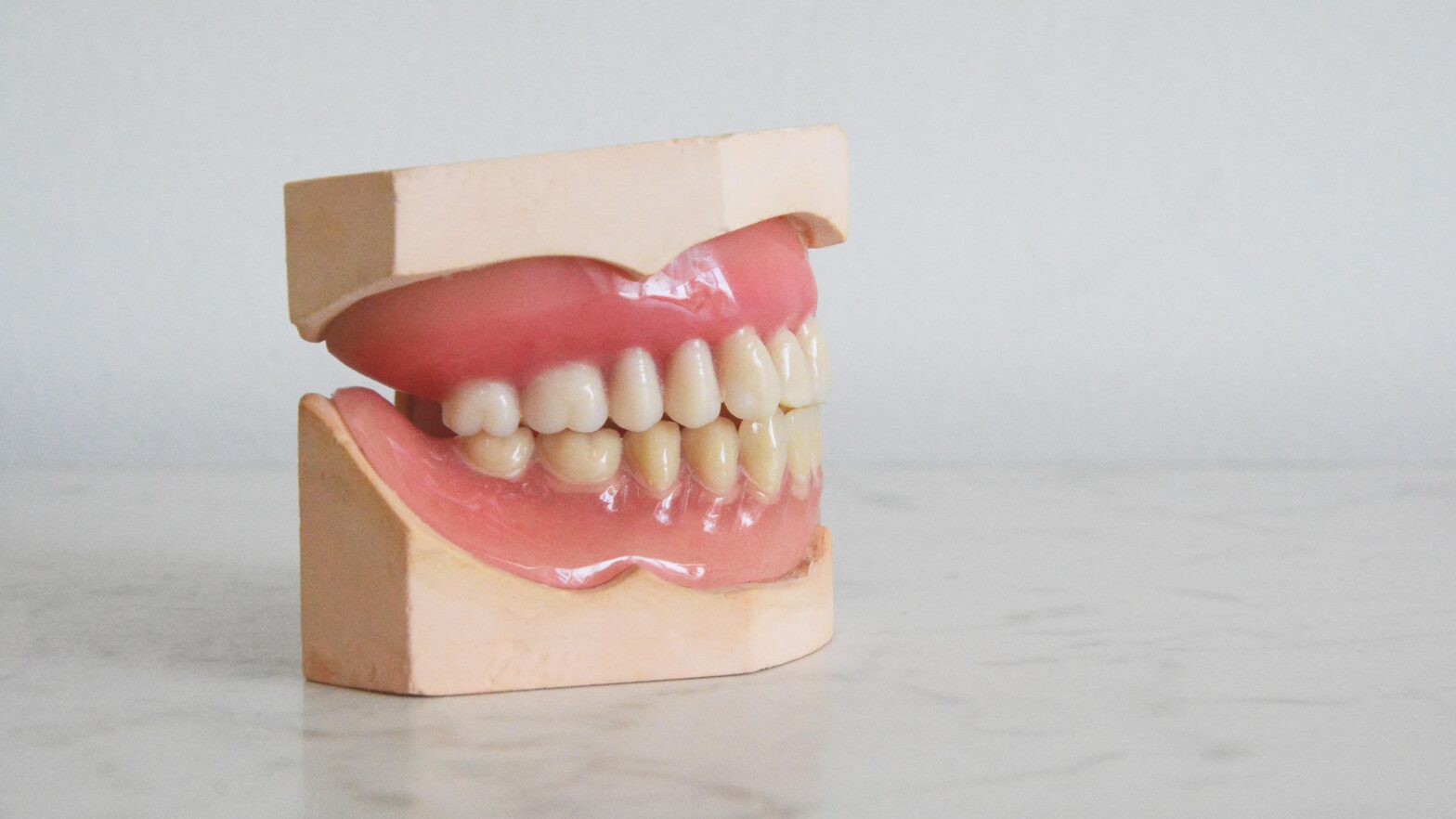
Dentures replace several missing teeth or a full arch.
Full dentures replace all teeth in the upper or lower jaw. Partial dentures fill gaps when some natural teeth remain.
Major restorative classification applies because dentures:
Restore large areas of missing teeth
Require impressions and lab work
Impact speech and chewing
May need adjustments for proper fit
To ensure comfort and stability, patients rely on an experienced restorative dentist in Franklin for careful measurements and follow-up care.
Onlays and Inlays
Inlays and onlays are custom restorations used when a filling is not enough, but a crown is not required.
They are crafted in a dental lab for precision and strength. These treatments are considered major because they replace significant portions of tooth structure and require detailed planning.
A trusted restorative dentist uses these options to preserve as much natural tooth as possible.
Full Mouth Reconstruction
Some patients require treatment across many teeth. Full mouth reconstruction combines multiple restorative procedures.
This may include crowns, implants, bridges, or bite correction. The goal is to restore health, comfort, and function across the entire mouth.
Comprehensive care like this demands training, experience, and careful sequencing of procedures. It is one of the most complex forms of major restorative dentistry.
Patients seeking a restorative dentist in Franklin for full reconstruction should look for a practice with a strong track record and clear treatment planning.
When Do You Need Major Restorative Treatment?
You may need major care if you experience:
Delaying treatment can lead to bone loss, gum disease, or further decay. Early evaluation prevents more invasive procedures later.
At Arcadia Dental, we take time to explain options clearly and answer questions so patients can make informed decisions.
Why Experience Matters
Major restorative dentistry requires precision. The shape, alignment, and fit of each restoration affect long-term success. Poor placement can cause bite imbalance, jaw pain, or premature failure.
An experienced restorative dentist in Franklin understands how teeth work together as a system. Treatment is not just about fixing one tooth. It is about restoring harmony across the mouth.
At Arcadia Dental, we believe strong communication builds trust. Our team focuses on careful diagnosis and durable solutions.
The Long-Term Benefits
Major restorative treatment offers lasting advantages:
Restored chewing ability
Improved speech clarity
Enhanced smile appearance
Protection of remaining teeth
Better overall oral health
When performed correctly, these procedures can last many years. Regular checkups and good home care are essential for maintaining results.
Choosing a qualified restorative dentist in Franklin ensures that materials, techniques, and follow-up care meet high professional standards.
Final Thoughts
Major restorative dental treatment covers procedures such as crowns, bridges, implants, root canals, dentures, inlays, onlays, and full mouth reconstruction. These treatments repair extensive damage, replace missing teeth, and restore strength and function.
They also help protect surrounding teeth and support long-term oral health. When problems go beyond a simple filling, timely care becomes essential. If you are experiencing ongoing pain, broken teeth, or tooth loss, it is important to seek professional care.
Consulting a restorative dentist in Franklin can help you understand your treatment options and prevent more serious complications in the future.
Share This Story
Healthiest Smile
Composite bonding is widely recognized as an effective technique in cosmetic dentistry. The treatment involves the use of a type of dental materials such as composite resin, which will be molded and shaped on your teeth to achieve the appearance of whiter and straighter teeth.
Healthiest Smile
Routines are something that we set and adhere to. Also, our brains are structured to create ‘shortcuts’ for us and we don’t have to think about every single thing we do. This has made our lives so much easier. When it comes to our oral health routine, it would be risky to allow these ‘shortcuts’